Persistent background redness
Redness may stay visible across the cheeks, nose, chin or central face even when the skin is not actively flushing.
Diffuse vascular rednessWhat We Treat
Treatment planning for Delray Beach, Boca Raton and nearby Palm Beach County
Flushing, persistent facial redness and visible small vessels can overlap—but they are not always the same problem. We look at the pattern, triggers, skin sensitivity and whether inflammation is present before discussing Aerolase, IPL or a medical referral.
Laser and light treatments can reduce selected visible signs, but they do not cure rosacea. When prescription management, diagnosis or eye symptoms are involved, evaluation by an appropriately licensed medical provider or dermatologist may be needed.
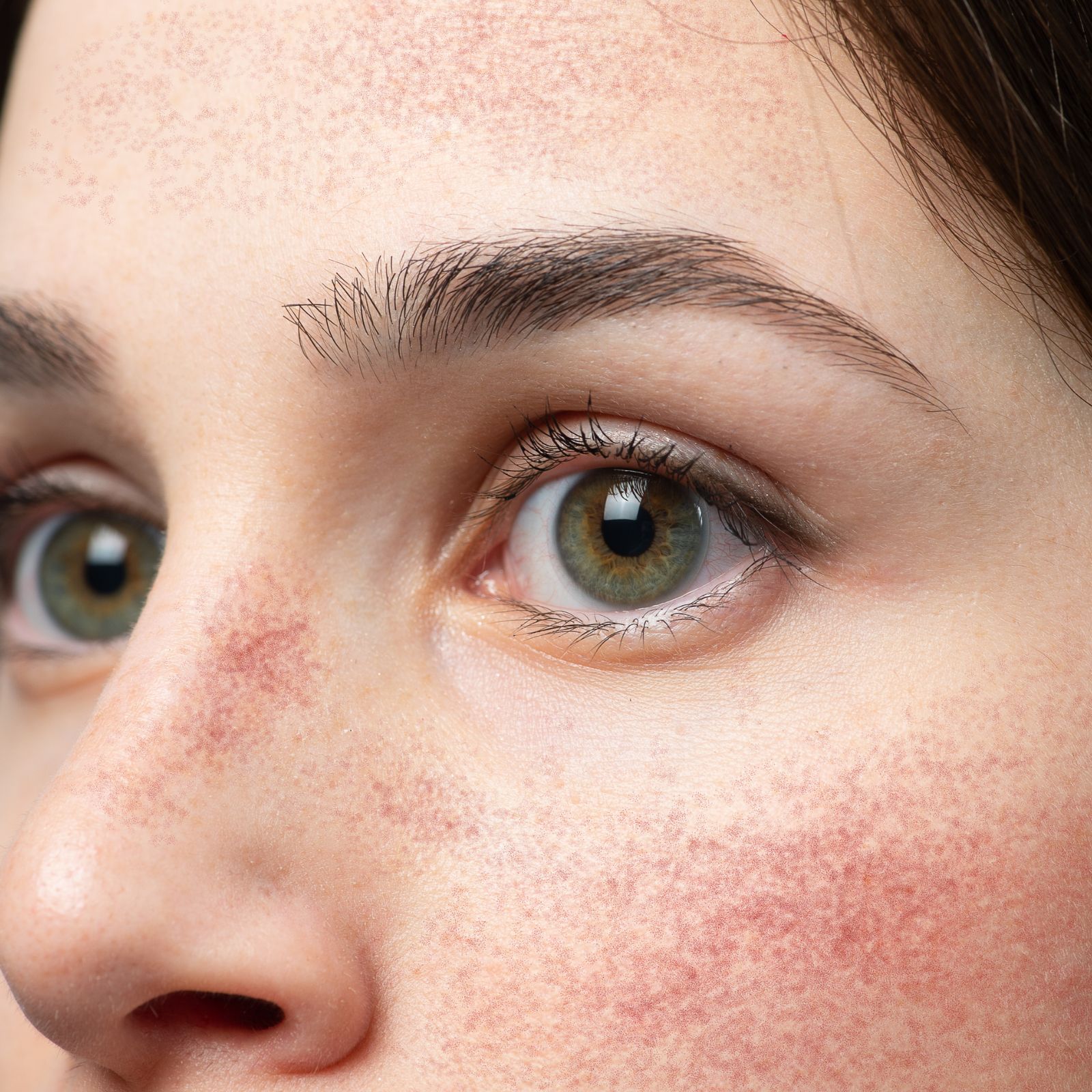
Background redness, flushing, small surface vessels and inflamed bumps can require different treatment priorities.
Start With What You Are Seeing
A person may have one of these signs or several at the same time. The pattern helps determine whether cosmetic laser or light treatment is a reasonable starting point.
Redness may stay visible across the cheeks, nose, chin or central face even when the skin is not actively flushing.
Diffuse vascular rednessHeat, sun, exercise, stress, alcohol, spicy foods or other personal triggers may cause temporary episodes of flushing.
Trigger-related episodesSmall superficial vessels may appear around the nose, cheeks or chin. Vessel size, depth and color affect treatment selection.
Telangiectasia-type vesselsAcne-like bumps, tenderness or sensitivity may indicate that inflammation—not only visible vessels—needs to be addressed.
May need medical managementRelated, But Not Interchangeable
Separating the condition from the visible sign helps keep the treatment plan realistic.
A chronic inflammatory skin condition that can involve flushing, persistent redness, visible vessels, acne-like bumps and sometimes eye symptoms. Laser and light may treat selected visible signs but do not cure the condition.
A visible symptom with several possible causes. The first question is whether the redness appears vascular, inflammatory, irritation-related or part of another skin condition.
Individual small vessels that may appear with rosacea, sun exposure, genetics or other factors. Some respond well to laser or light; larger or deeper vessels may need another approach.
How We Choose a Starting Point
A client with diffuse redness may need a different plan from someone with a few distinct vessels or someone whose main issue is inflamed, reactive skin.
We ask where the redness appears, whether it stays or comes and goes, what triggers it, and whether burning, bumps or eye symptoms are present.
The goal may be to reduce background redness, target selected vessels, calm inflammation or coordinate with medical treatment for rosacea.
Skin tone, recent sun exposure, sensitivity, vessel pattern and acceptable downtime help determine whether Aerolase, IPL or another next step makes sense.
Realistic Expectations
The purpose is to reduce selected visible signs and make the skin look more even. It is not to promise that rosacea or facial flushing will never return.
Before and After Treatment
Preparation and aftercare vary by treatment, but the goal is to avoid unnecessary heat, sun exposure and irritation while the skin settles.
Treatment timing may need to change when the skin is unusually hot, swollen, irritated, sunburned or reacting to a new product.
Before treatment, you will receive instructions about active ingredients, sun exposure, medications and anything else that needs to be paused.
When Medical Evaluation Comes First
Rosacea can affect the eyes. Persistent dryness, burning, gritty sensation, swollen eyelids, light sensitivity, eye pain or changes in vision should be evaluated by an appropriate medical or eye-care professional.
Significant facial swelling, painful inflammation, crusting, drainage or a rash that is rapidly changing also deserves medical evaluation before cosmetic laser or light treatment.
Frequently Asked Questions
No. Laser and light treatments can reduce selected visible signs such as persistent redness and visible blood vessels, but rosacea is a chronic condition. Trigger management, skin care, medical treatment and maintenance may still be needed.
Neither is automatically better. Aerolase and IPL use different technology and may fit different skin tones, vessel patterns and treatment goals. Recent sun exposure, sensitivity and whether pigment is also present influence the recommendation.
Some vessels respond quickly, but complete removal in one session cannot be promised. Vessel size, depth, location and the technology used affect the response. A series or maintenance may be needed.
Treatment may reduce persistent background redness and selected vessels, but it may not eliminate trigger-related flushing. Heat, stress, sun exposure, exercise, alcohol and other personal triggers can continue to produce episodes.
Selected vascular concerns can be treated across a range of skin tones, but device choice, settings and risk of pigment change require careful consideration. A consultation is needed before confirming the safest option.
The number varies according to the amount of redness, vessel pattern, treatment selected and individual response. Some people see meaningful improvement after a small series, while others need ongoing maintenance.
Yes. Rosacea can cause acne-like bumps, but it is not the same as acne and may respond differently to common acne products. Aggressive exfoliation can sometimes worsen irritation. Diagnosis and prescription management should come from an appropriately licensed medical provider.
Start with a consultation when you are unsure whether the main concern is rosacea, diffuse redness, individual veins or irritation. The treatment decision should follow the pattern rather than begin with a device guess.
Start With the Visible Sign
Tell us where the redness appears, whether it stays or comes and goes, what triggers it, and whether you also experience sensitivity, bumps or eye symptoms.